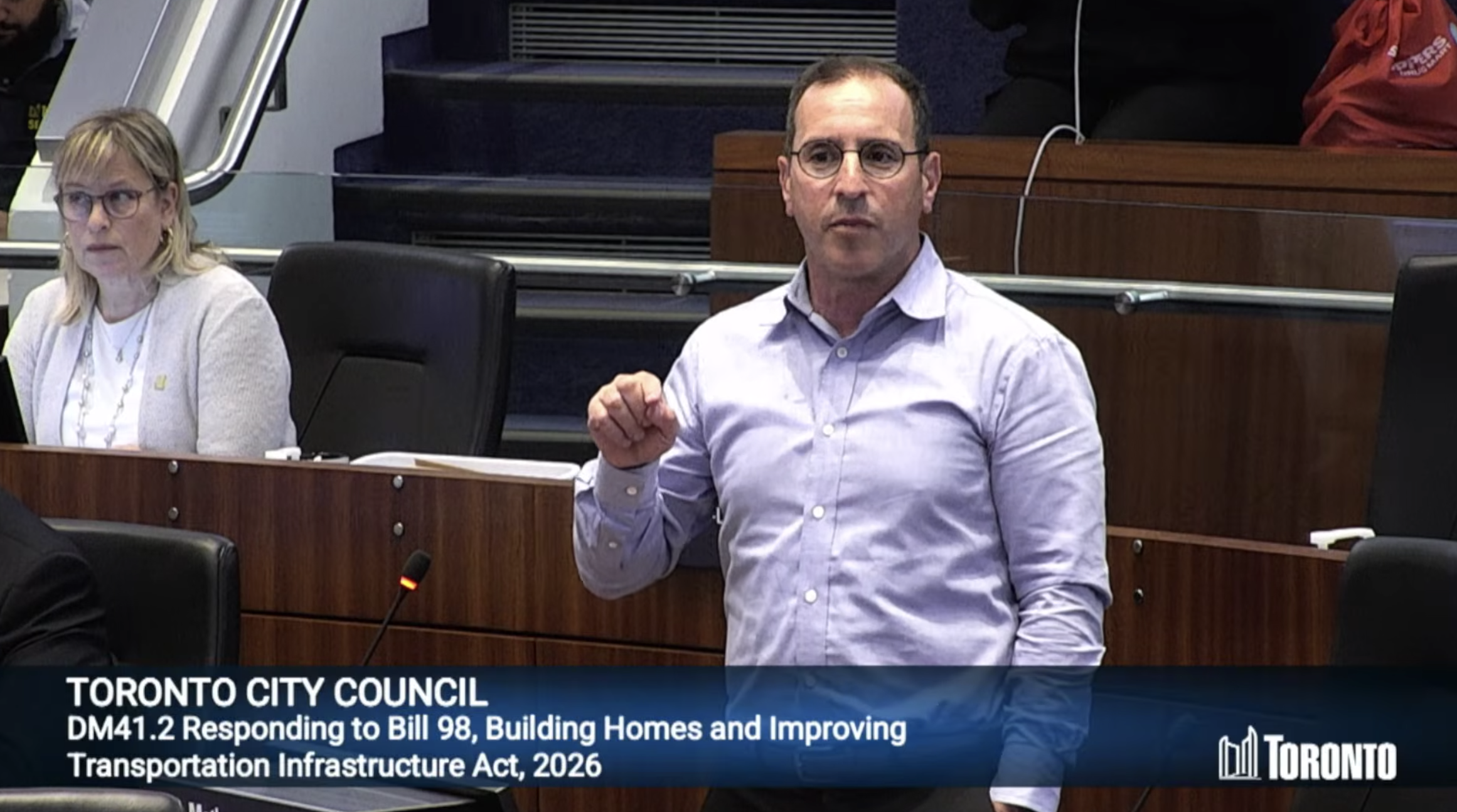
Councillor Matlow
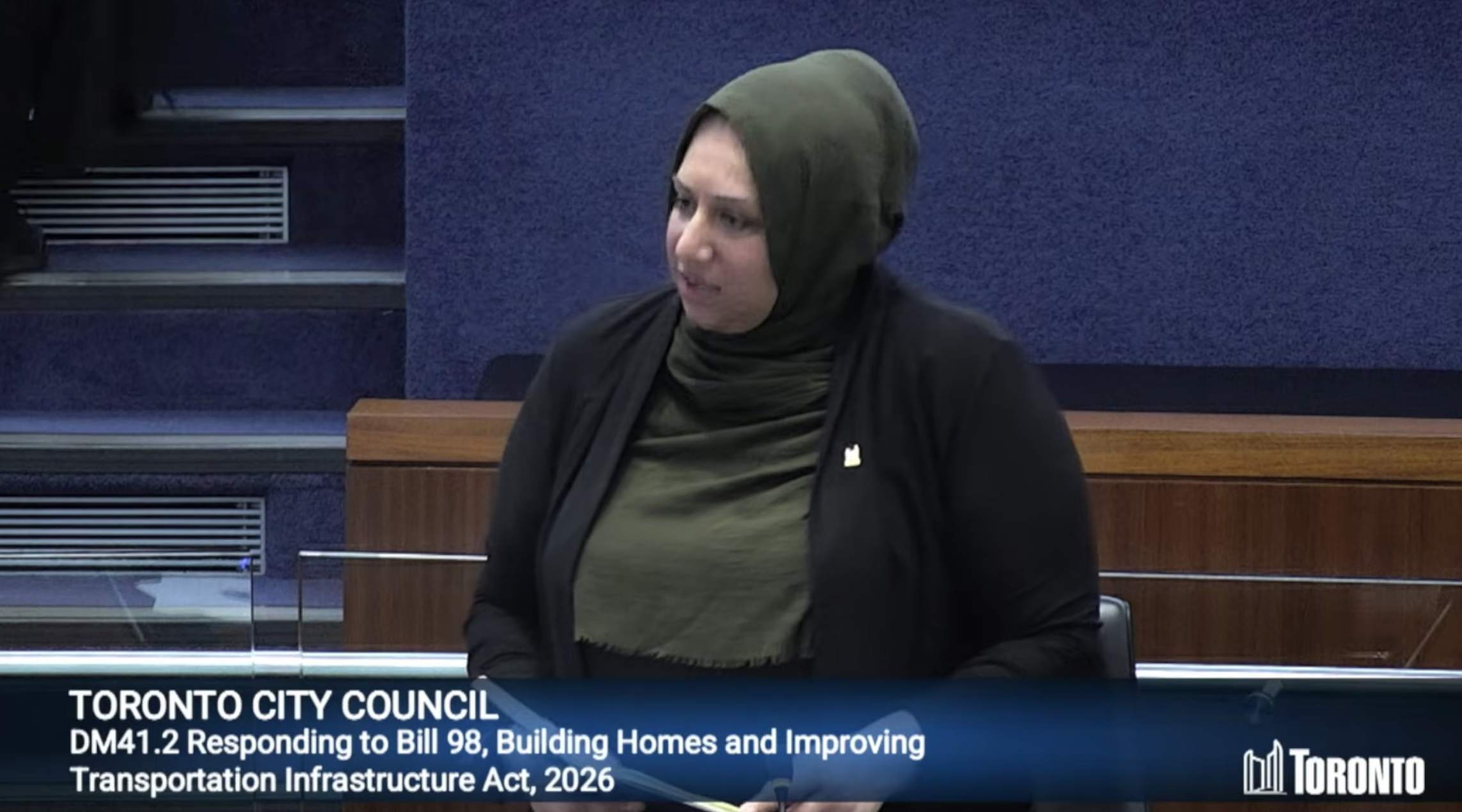
Councillor Malik
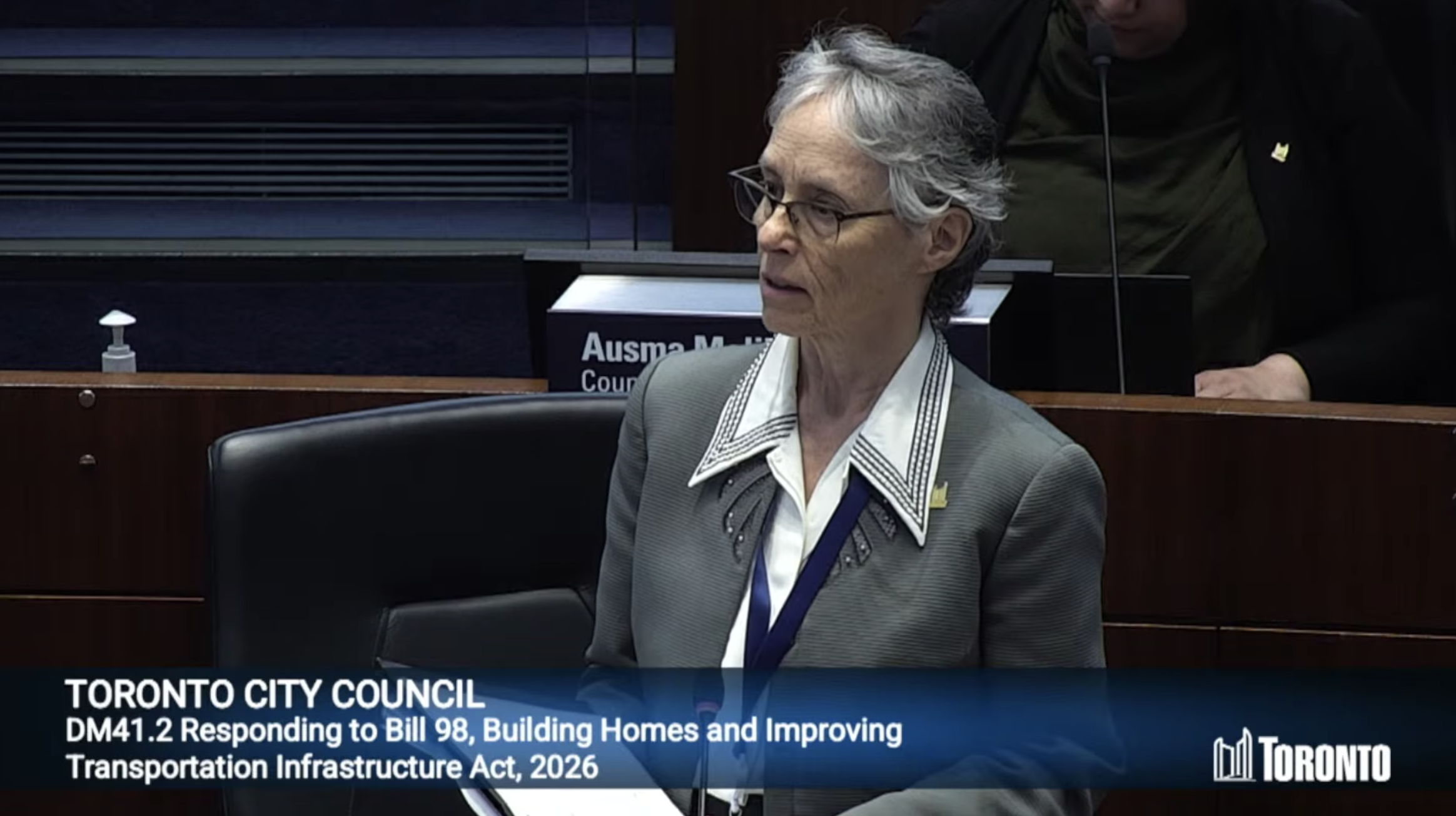
Councillor Saxe
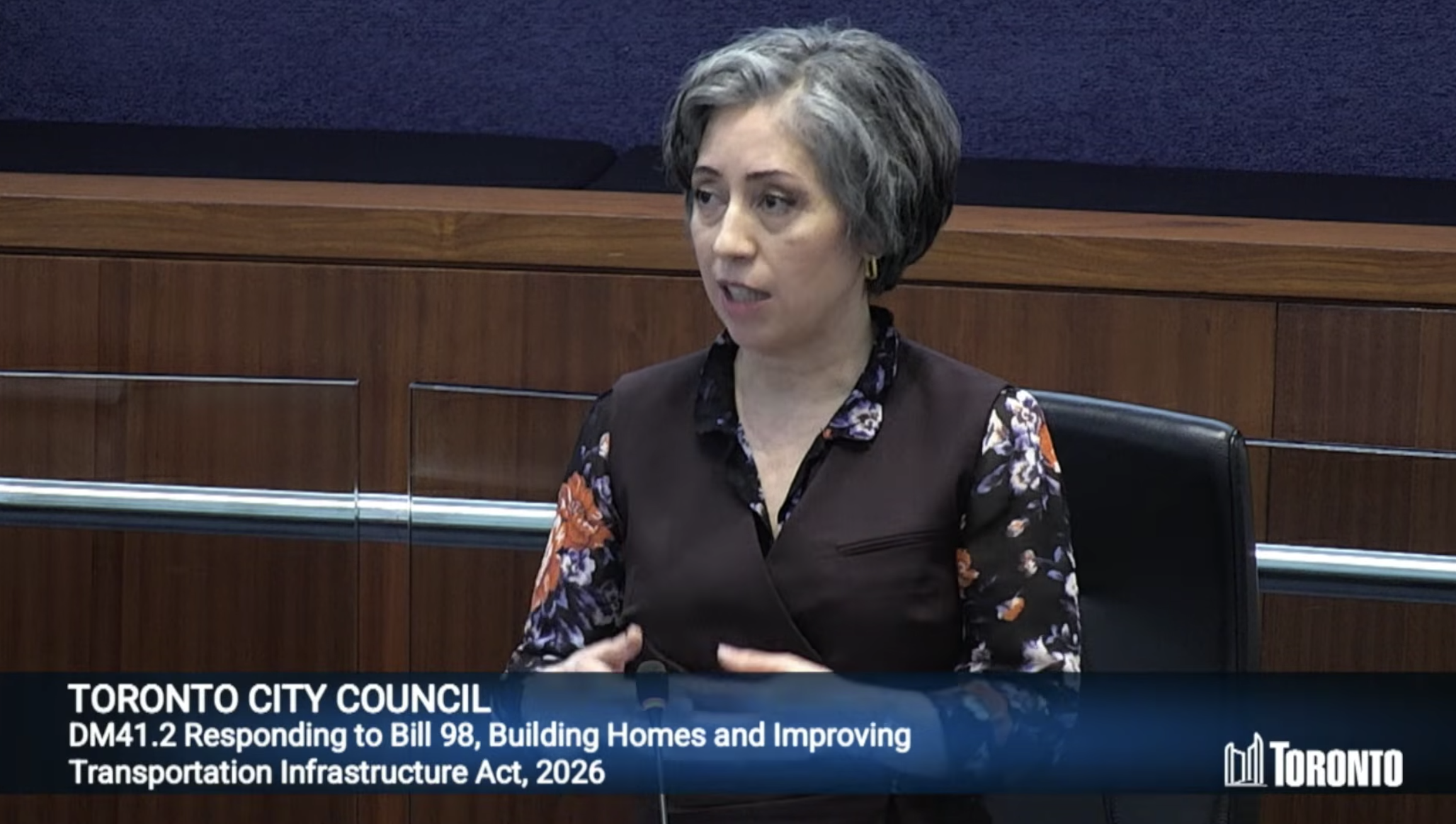
Councillor Bravo
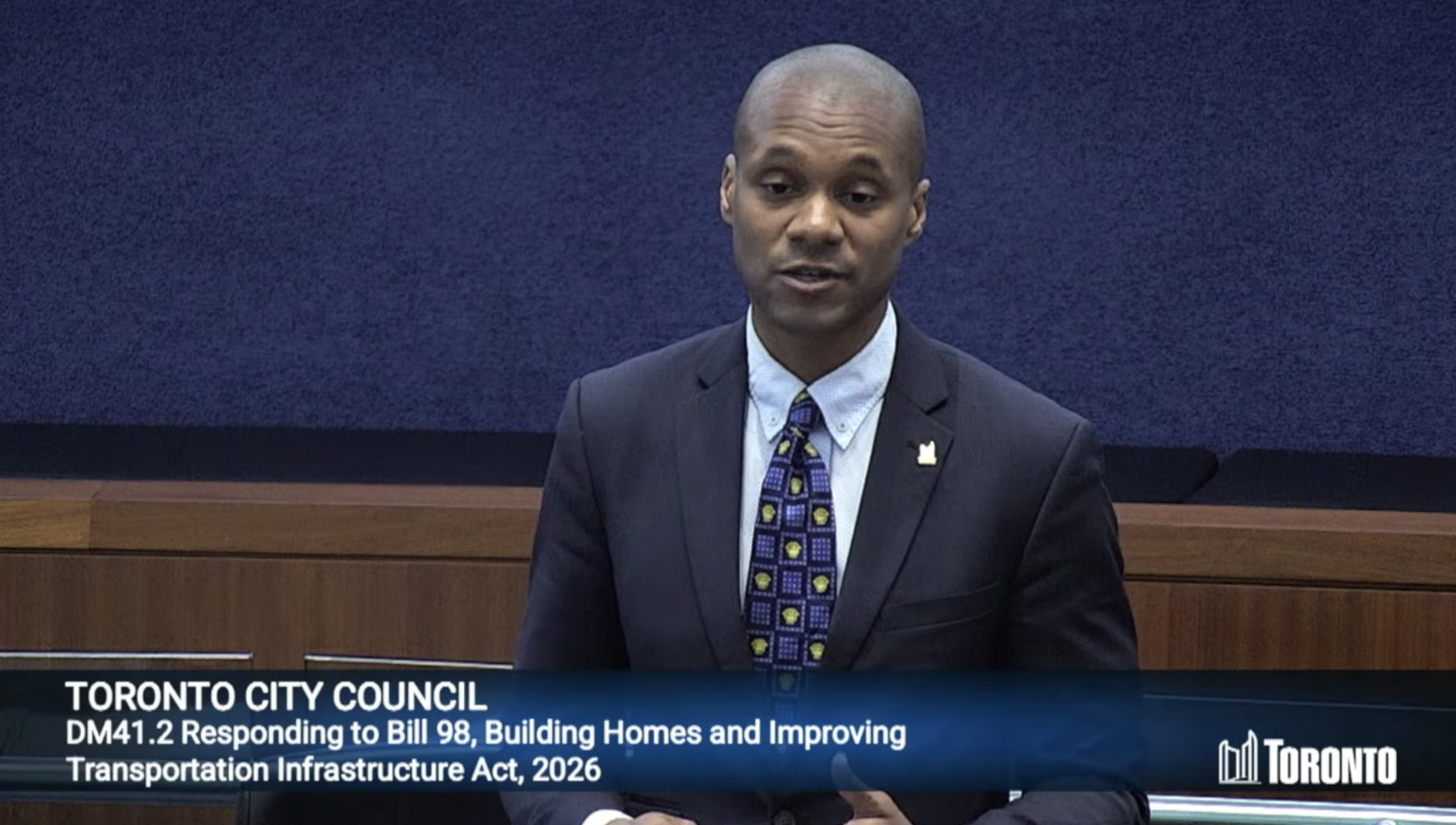
Councillor Myers
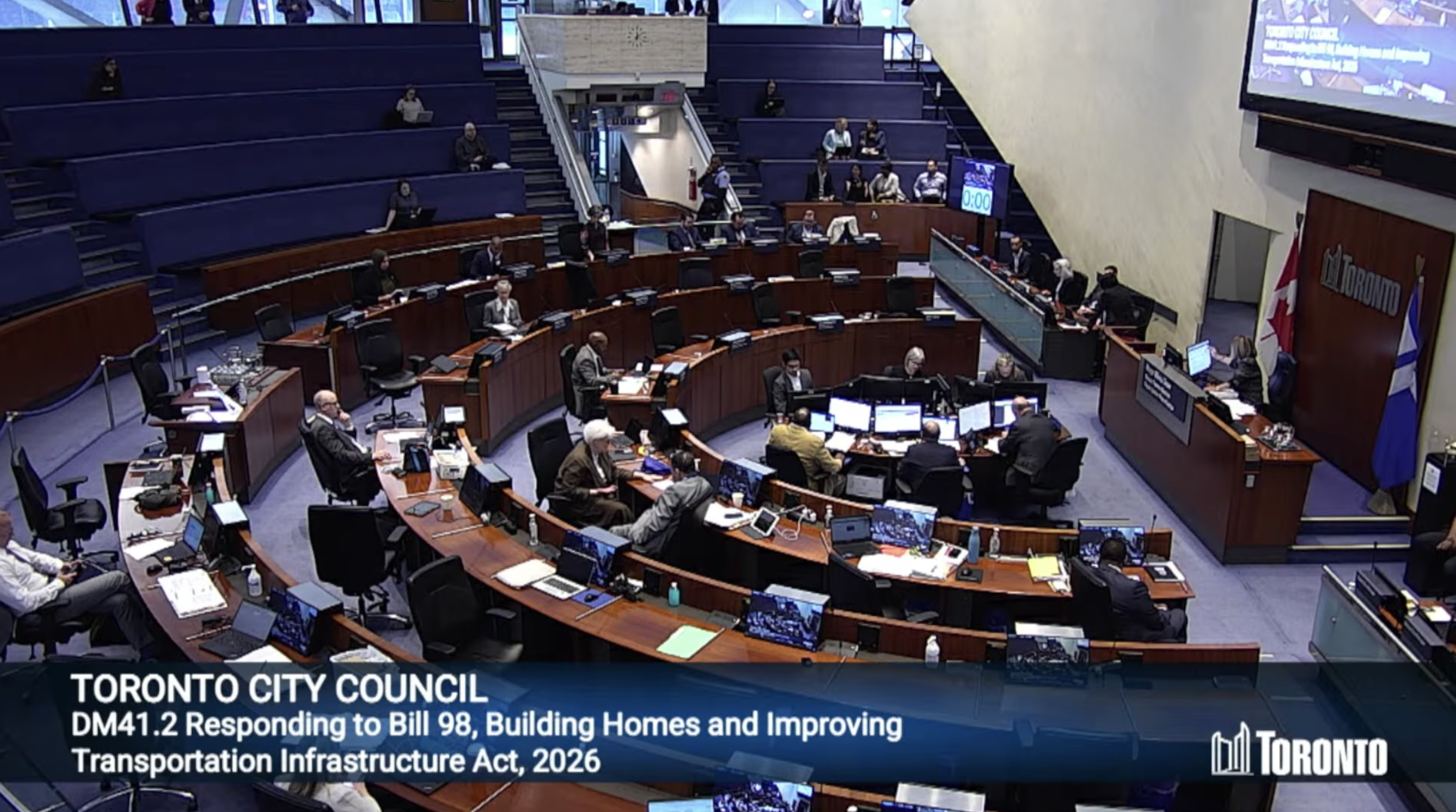
City Council
This week, Toronto City Council reaffirmed ATU Local 113 concerns about Bill 98.
The Council debated Ontario’s Bill 98 and its potential impact on the TTC, municipal authority, riders, public accountability, and transit workers’ collective agreements.
Council considered a deferred motion from Councillor Jamaal Myers, seconded by Councillor Alejandra Bravo, on the proposed Fare Alignment and Seamless Transit Act measures in Bill 98. The motion warned that the legislation would give Ontario’s Minister of Transportation broad power over transit fares, service standards, route integration, transfers, regional coordination, and collective bargaining agreements.
A major concern was increased provincial control without matching operating funding. Councillors warned that Toronto could lose control over TTC fares and service planning while still being responsible for service and budget shortfalls. They also noted that fare integration could reduce TTC revenue, risking service cuts or fare increases without stable funding.
Council discussions emphasized:
- Protecting local democratic oversight of transit
- Maintaining affordable TTC fares and fare programs
- Preserving service levels and reliability
- Ensuring transparent consultation with municipalities, workers, riders, and transit agencies
- Opposing any pathway toward privatization or contracting out of transit operations
- Protecting collective bargaining agreements with transit workers
The meeting reflected broad concern that Bill 98 could shift transit decision-making to Queen’s Park and weaken Toronto’s control over the TTC. Speakers also noted the TTC’s heavy reliance on fare revenue and warned that unfunded changes could hurt both riders and workers.
The debate also tied Bill 98 to wider concerns about growing provincial control over municipal governance and infrastructure planning. Public commentary has described the bill as a major step toward centralizing authority over local transit systems.
Council’s discussion was part of a broader advocacy effort by transit unions, rider groups, TTC leadership, and community organizations calling for amendments, stronger consultation, and funding protections before any regional fare integration regulations are introduced.
For the official City Council agenda history related to the motion, see:
TTC Chair Councillor Myers questioned TTC staff whether the Ontario government consulted with the TTC on Bill 98.
Councillor Bravo raised concerns about Toronto taxpayers subsidizing the Ontario government’s power grab.
Councillor Saxe questioned TTC CEO Mandeep Lali about the financial impact of Bill 98 on a transit system already facing major operating cost pressures and state-of-good-repair needs.
Councillor Malik expressed concerns about Bill 98 and jurisdiction over collective bargaining agreements of public sector workers.
TTC Chair Myers expressed concern about provincial overreach into municipal transit decision-making.
Councillor Bravo introduced an attachment to the TTC Board’s motion.
Councillor Saxe urged city councillors to support the motion by TTC Chair.
Councillor Matlow introduced a motion to restore 50/50 operational funding for public transit, which the Mike Harris government eliminated in 1998.